The Growing Problems With AI in Gaming
The effects of widespread AI usage in the gaming and tech industry have been abundantly clear for a while. For instance, prices for computer hardware/technology have continued to skyrocket, many companies have begun cutting corners with AI services, and the usage of such services is generally harmful to the environment. It is worth examining how this technology is currently affecting technology-based markets, and where continual usage of AI could lead these industries in the future.
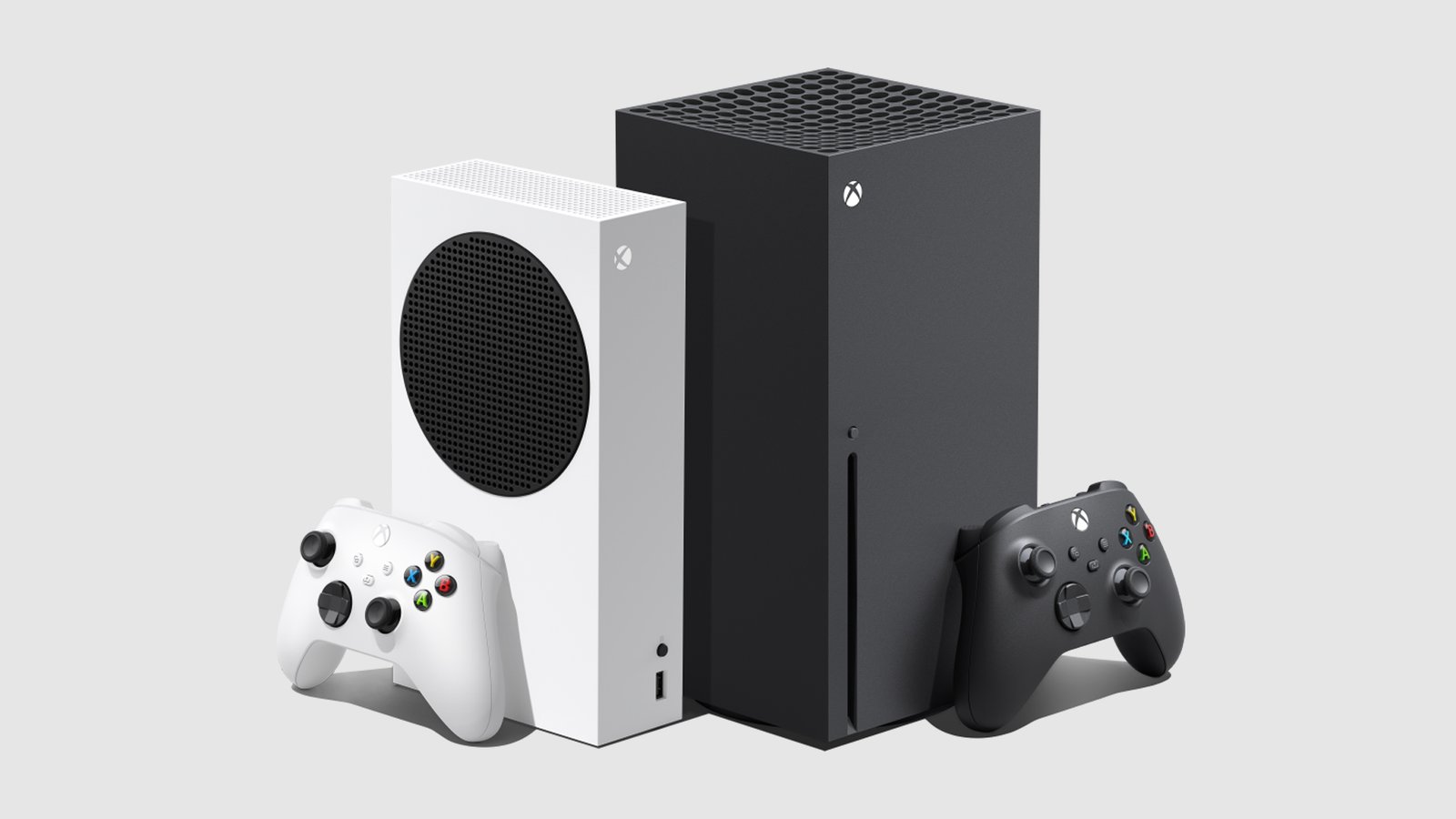
As stated before, many consumers have noticed sudden and sharp technology-based price surges. For a few recent examples, Nintendo, Sony, and Apple have all announced price increases to flagship hardware these past few months. Besides certain economic factors, these kinds of increases have been influenced by AI. Specifically, the abundance of AI data centers (and the supercomputers that run them) increases demand for specific hardware.
Studies reveal that these increases show no signs of slowing down. According to Xbox CEO Asha Sharma, the company predicts hardware components to skyrocket 5 times higher than their original costs by 2027. RAM prices are also expected to follow a similar path. Even if these predictions are only somewhat accurate, these price surges will severely affect both tech producers and consumers. This “Ram Crisis” (as it is commonly called) will likely only worsen over time as more data centers are built.

Additionally, these data centers have been found to be environmentally harmful. Most notably, these computers require substantial amounts of electricity to function properly. When this electricity is generated by hydroelectric power, some studies estimate that the most advanced AI models consume half a liter of water per 20 prompts. This leads to millions of gallons of water being used to answer the billions of daily prompts from users.
The high quantity of electricity used also carries a substantial carbon footprint, due to increases in carbon emissions and air pollutants. These pollutants are known to degrade the air quality surrounding the location of the data center. Although these issues simply scratch the surface of AI’s environmental impact, they show another potential danger of industry leaders relying on the technology.
Despite these issues, some could potentially still defend large-scale AI usage in tech due to it being able to improve productivity. This argument has some merit, as the technology does have certain use cases. For instance, the animation team behind the Spider-Verse films has openly stated their usage of AI for in-betweening and line-art.
This ideally allows the team to decrease time spent on menial tasks and, in turn, increase creativity. However, in the case of general, widespread usage, most of these AI platforms share the simple issue of being unreliable.
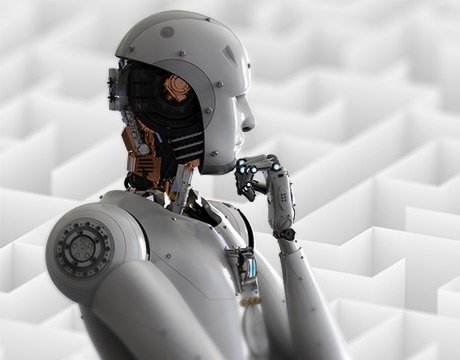
Those who have used AI in the past have likely experienced AI “hallucinations”, where the chatbot will insist on information or details that are completely incorrect/made up. The AI will usually need to be challenged before relenting from its confidently incorrect stance. If these “constantly evolving” services still have issues answering simple questions, their reliability in industries as varied and complex as gaming and technology remains questionable.
Beyond these concerns, AI has contributed to growing uncertainty in creative industries. Take, for instance, Activision and the Call Of Duty franchise. Controversy erupted after it was revealed that Activision could legally train AI models off of their COD Zombie voice actors without future compensation.
Because of stories like this, many voice actors fear that their work will be entirely replaced rather than assisted. This fear is also shared by others essential for game development, such as developers and artists. Using AI as a method to cut costs ironically reduces opportunities for the people responsible for creating games in the first place.

This goes hand-in-hand with the argument that AI tech decreases creativity. With the rise of Generative AI, many companies (especially in the gaming sphere) have begun to utilize the technology for commercials and game development/asset creation. Most who view material generated/assisted by Gen AI are quick to notice its influence and faults.
In most cases, this leads to harsh criticism, as the usage feels lazy, soulless, and uncanny. It has become increasingly clear that many people still value human ingenuity far more than AI-generated content, which can only mimic the creations of others.
AI will undoubtedly remain a topic of discussion for years to come. It admittedly has its uses, especially when used to assist productivity and allow for further creativity. The real question is whether the industry will choose to utilize AI tech responsibility or simply chase after profits at the expense of consumers, creators, and the environment. If companies begin to forget the importance of human ingenuity and creativity, the divide between gamers and the developers of their favorite games could further deepen.












Post Comment