The Future of Xbox: Can the Brand Recover in 2026 and Beyond?
After years of disappointing reveals and underperforming consoles, Xbox fans were overjoyed by the company’s recent 25-year anniversary showcase (my thoughts on the presentation can be found in detail here). While many left the show feeling optimistic about the brand’s future, that optimism was soured just days later after news of major layoffs and studio closures. For many Xbox fans, the ultimate question is whether this news is only a temporary issue or a sign of something deeper.
THE POSITIVES
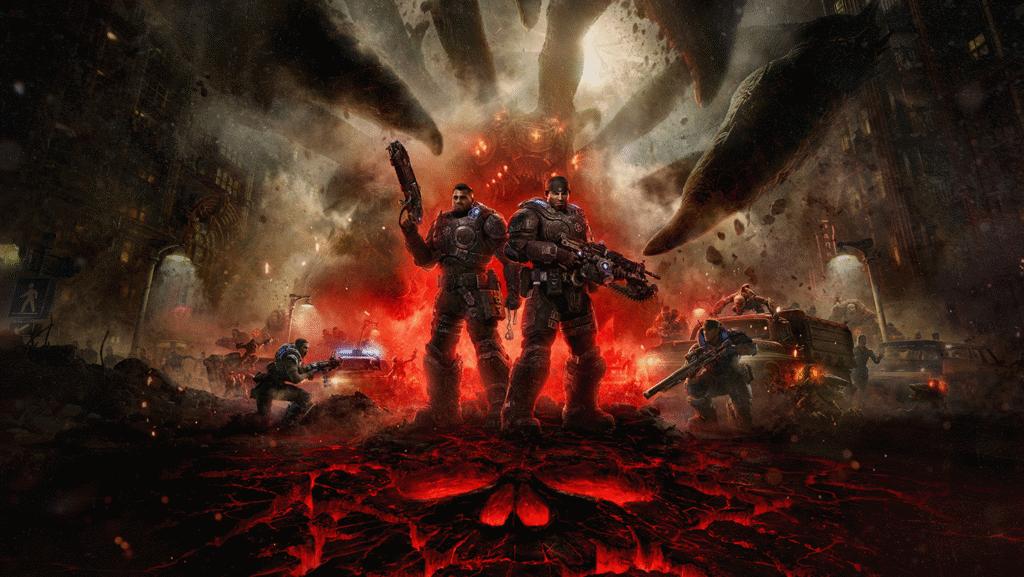
Regardless of which console you prefer, most gamers can agree that Xbox should have exclusives. For years, it was difficult to justify buying an Xbox, especially after the brand’s shift to PS5 ports. Now that plans have changed (with games like Gears: E-Day and Clockwork Revolution being Xbox exclusive), there is finally a more compelling reason to buy into the Xbox ecosystem.
In her first 100 days as CEO, Asha Sharma has also proved that she is listening to feedback. For instance, she cut the (controversial at best, brand-damaging at worst) “This Is An Xbox” marketing campaign. The campaign was started during Phil Spencer’s run as CEO, attempting to market Xbox as a broad ecosystem rather than a console brand. Of course, this campaign was not well-received, which led to much online criticism and confusion. Ending this campaign was certainly the right decision.
Unsurprisingly, Asha also recently announced price cuts to Game Pass. Specifically, Game Pass Ultimate has received a 7 dollar discount, now costing 23 dollars monthly. Besides exclusives, Game Pass has been a major draw for Xbox consoles. This was a welcome change, even if Game Pass now excludes Call of Duty games at launch.
Asha has clearly stated her goals to be the “number one gaming company by 2030”. While this is obviously a lofty goal, it is at least promising to see her attempting to restart competition with Sony where possible. While Asha’s contributions are certainly positive (and indicative of actual change in Xbox’s strategy), they ultimately feel too little too late. Additionally, while Xbox’s consumer strategy has seen improvement, its financial position tells a very different story.
THE NEGATIVES
In a publicly accessible blog post written by Asha and Matt Booty, a few notable financial details were revealed. Most notably, the post revealed that Xbox “has spent over $20 billion on ongoing investments in our content, platform, and hardware subsidy”. This is coupled with the reveal that “annual revenue has declined nearly half a billion during that time”. Clearly, this is not a sustainable business model. However, these failures cannot entirely be blamed on Asha.
It is common knowledge that there is an ongoing hardware component crisis for a multitude of reasons. This issue has affected all major technology and gaming companies for months. This is especially bad timing for Xbox, which is already struggling financially (due to, as the blog post puts it, “choices we made over the last half decade”). In fact, the company predicts console parts costing “5x the prices we paid only two years earlier”. Unfortunately, beyond growing component costs for Xbox, console prices for consumers will also steadily increase (at least during the length of the crisis).
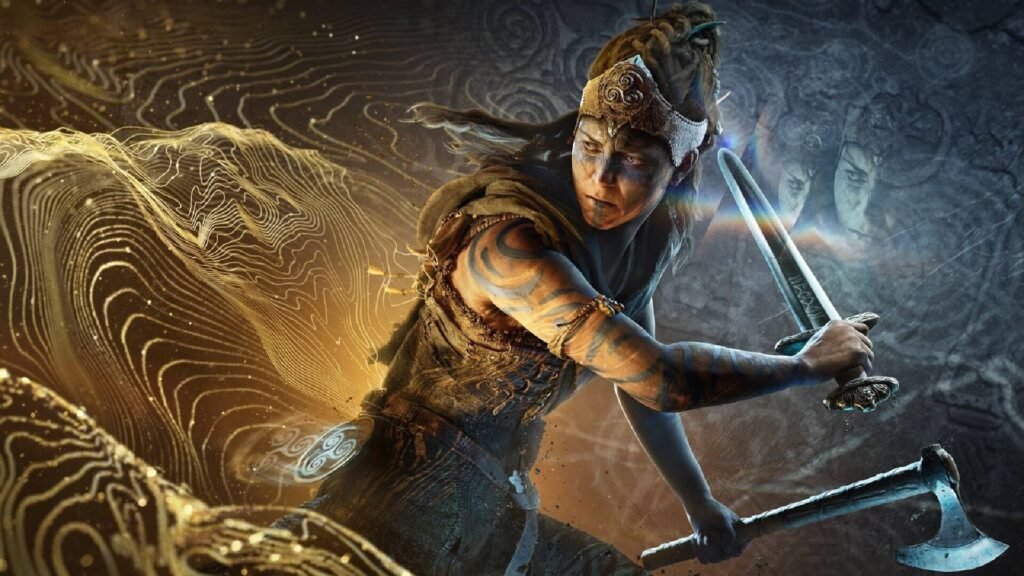
Because of these “realities”, it is clear that Xbox must work towards becoming profitable, and quickly. This explains why Xbox is “negotiating” with smaller Xbox-owned studios like Ninja Theory over their closure. Ninja Theory’s fate specifically comes as a shock to many, as the studio revealed its new game in an Xbox showcase early last week. However, Asha has expressed interest in focusing on and developing bigger Xbox IPs (with 400 million dollars being invested in Gears E-Day).
This strategy makes sense, but Xbox’s current lineup of blockbuster franchises makes it a risky gamble. For instance, while Gears: E-Day looks like a great entry for the series, it isn’t necessarily a system seller. Additionally, the Halo franchise generally lost mainstream appeal years ago. This likely won’t change until the franchise is under new management. Other IPs (such as Fable) have been dormant for many years, with their success not being truly guaranteed. Plus, regardless of its profitability, the reboot will still launch on the PS5.
Like many others, Asha likely sees the Xbox Series X/S lineup as a failure for the brand. It would be beneficial to focus efforts on making Project Helix a truly competitive console. However, even this has its own set of problems. According to recent rumors, Helix was intended to serve as a high-budget PC/Console hybrid. This idea was likely proposed by Phil Spencer, with the plan to slowly phase out of console production. Now that Asha has reversed course on this entire plan, it could be a while before we truly see specifics on the console.
THE FUTURE
In summary, Asha clearly has a lot of work to do to accomplish her goals for the Xbox brand. However, there are a few ways the company could generate steady profits. For instance, reviving fan-favorite franchises like Banjo-Kazooie, Conker, or Crackdown could generate significant excitement from longtime gamers. While these examples scratch the surface of legacy Xbox IPs, the company desperately needs SOMETHING as their big launch for Project Helix.
Speaking of Helix, the console should launch at a low enough price to gain back customer trust (while still being high enough to recoup development costs). Besides the standard Helix model, it would be nice for the system to have an even cheaper Series S successor. This would be a great option for budget-tier gamers or those who will mainly use it as a secondary console. Both of these decisions would be easy wins for the brand. Yet, Xbox could also do the unexpected. Making online multiplayer free with Helix would serve as a massive blow to Sony and the console market as a whole.
The future of Xbox cannot be determined by one showcase or a round of layoffs. Rather, it will be determined by the company’s ability to consistently deliver exclusive games, rebuild customer trust, and give gamers a reason to pick up an Xbox over competing platforms. Project Helix’s launch will likely determine whether Xbox returns to being the dominant force in gaming it once was or continues to decline. The challenge now isn’t deciding what Xbox should be or represent. Instead, it’s proving that the company didn’t understand its foundations after it was too late.
Do you think the future of Xbox is bright? What changes would YOU make to improve the company’s popularity? Let me know in the comments!



Post Comment