Remembering Gerry Conway: His Most Iconic Comic Creations
A few days ago, it was unfortunately announced that legendary comic writer Gerry Conway had passed away at the age of 73. With that news in mind, I thought it would be fitting to look back at some of Conway’s best work during his tenures at Marvel and DC.
The Punisher: Redefining the Anti-Hero Archetype
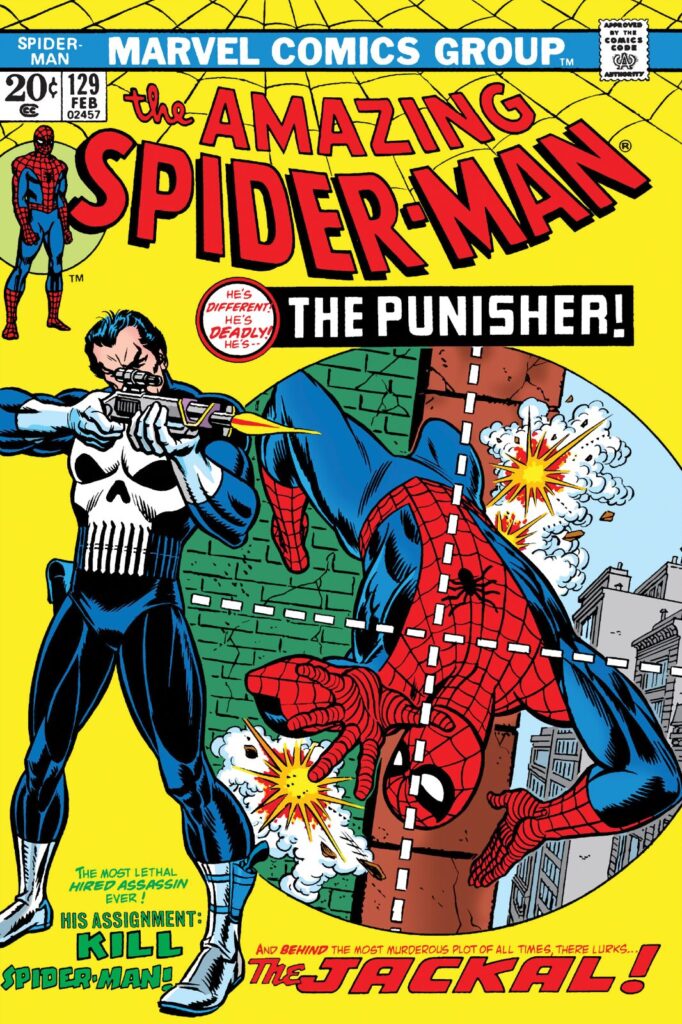
Technically, Conway co-created this character with artists John Romita Sr. (the designer of the iconic skull symbol) and Ross Andru. However, Conway’s additions to Frank Castle were still essential to the character.
The Punisher first appeared in Amazing Spider-Man #129, after a creative collaboration between Conway, Romita, and Andru. At the time, the goal was simply to create a one-off antagonist for the wall-crawler. Regardless, Conway did a great job outlining Frank’s character in this issue, portraying him as a ruthless anti-hero who targets those he deems “worthy”.
As for Frank’s design, Conway envisioned the character with a look similar to the main character of the “Executioner” book series. Romita then refined this concept into the final iconic design we know today. Additionally, this is not commonly known, but Stan Lee himself greenlit the Punisher moniker for this issue!
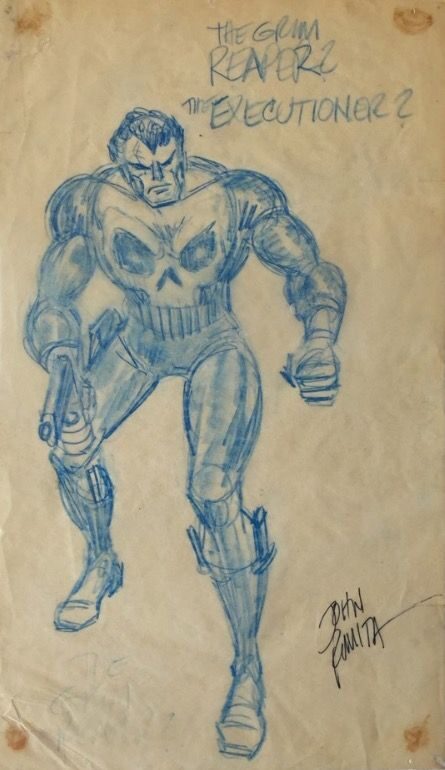
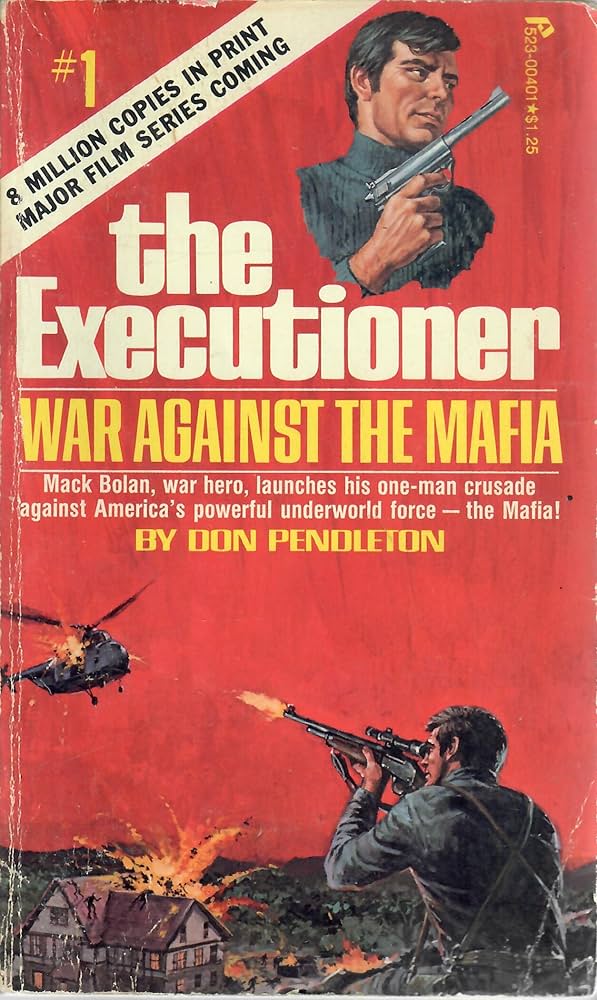
Truthfully, when I first heard of the Punisher, I viewed his character as an overpowered one-man army that lacked substance. After taking the time to read some of Frank’s comics, however (and watching Bernthal’s excellent performance as the character in the Marvel Netflix universe), I quickly grew to like the character. Because of this, I am very excited to see Frank interact with Spider-Man in Brand New Day, and hope their rivalry stays true to Conway’s original comic.
Jason Todd: A Controversial, Yet Memorable Robin
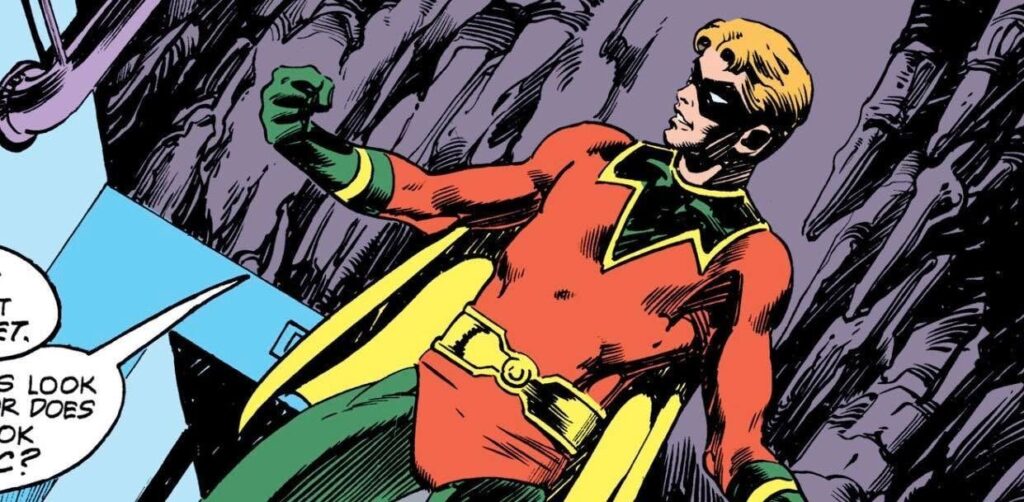
Jason Todd’s character has been written inconsistently over the years. Still, some of Conway’s early contributions helped lay the groundwork for a respectable new member of the Robin mythos.
In many ways, Conway’s origin for Jason closely mirrored Dick Grayson’s. Both were part of a family circus performance before their parents were killed in tragic circumstances. In Jason’s case, his parents were killed by Killer Croc, whereas Dick’s were killed by a mob boss. Personally, I’ve never found this version of Jason very compelling, as his character isn’t very different from Dick.
This is why I prefer Jason’s revised Post-Crisis origin. In this version, Jason meets Batman while attempting to steal the Batmobile’s tires. This introduction immediately outlines Jason as a rebellious and ambitious character. Because of this, Bruce realizes he can hone Jason’s skills into the next Robin, even though Bruce fears the risks of this decision.
This dynamic between Bruce and Jason is one aspect of their relationship that stayed consistent. Both Conway and future writers often make Bruce fearful of Jason’s tendency to be impulsive and unpredictable, especially in the heat of combat. This dynamic would be further explored in the iconic Death In The Family arc.
Although not many of Conway’s original additions to the character truly stuck, his work shaped a character who would eventually become one of the most complex figures in the Batman mythos (as well as one of my personal favorite Robins).
The Night Gwen Stacy Died: A Groundbreaking Story Arc
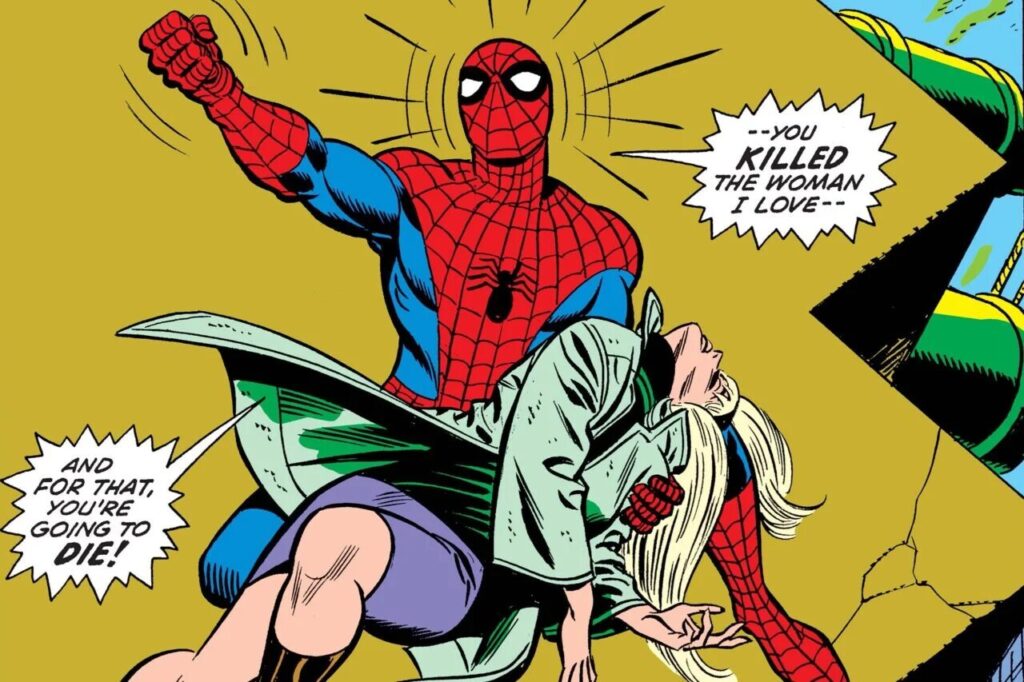
Although this is a story arc rather than a specific character, it was too iconic to ignore. At the age of 19, Conway took control of the ongoing Amazing Spider-Man run, which led to one of the character’s most impactful and recognizable story arcs of all time.
This arc marked a significant shift in the comic book industry, as it brought a transition from the lighthearted Silver Age to the more serious and grounded Bronze Age. The moment has also become canon in many other Spider-Man runs/adaptations, including an iconic scene in an otherwise forgettable film (The Amazing Spider-Man 2).
According to John Romita Sr., both he and Conway were asked by fellow Spider-Man editors to make Aunt May the target. Conway and Romita disagreed, believing May’s death would lead to Peter losing an integral character in his life. Instead, they argued for the death of Mary Jane or Gwen Stacy, ultimately deciding on Gwen. Conversely, according to Conway, both he and editor Roy Thomas came to the decision to kill off Aunt May. After hearing about this discussion, Romita made the suggestion to kill off Gwen Stacy instead.
Regardless of which version of this story is more accurate, Stan Lee had the final say in killing off Gwen. According to Lee, Conway, Romita, and Thomas discussed the idea with him as Lee was about to leave for a business trip. Due to his rush to attend this meeting, Lee reluctantly approved the idea. After Lee came back from his trip, he was surprised and upset by Gwen’s death. Lee was then reminded that he had approved the decision, a decision Lee later felt he had made too rashly.
Gerry Conway’s contributions to the medium of comic books will be championed long after his passing. They will also serve as an inspiration to future writers in the field.
Although these examples merely scratch the surface of his creations, they serve as a reminder of how important his influence truly was.
Do you enjoy the characters and stories that Gerry Conway created?
- If so, which is your favorite?
- Are there any you think deserve more recognition?
Let me know in the comments!

Post Comment