Fall Feature Friday: Ocarina of Time Remake vs. Original
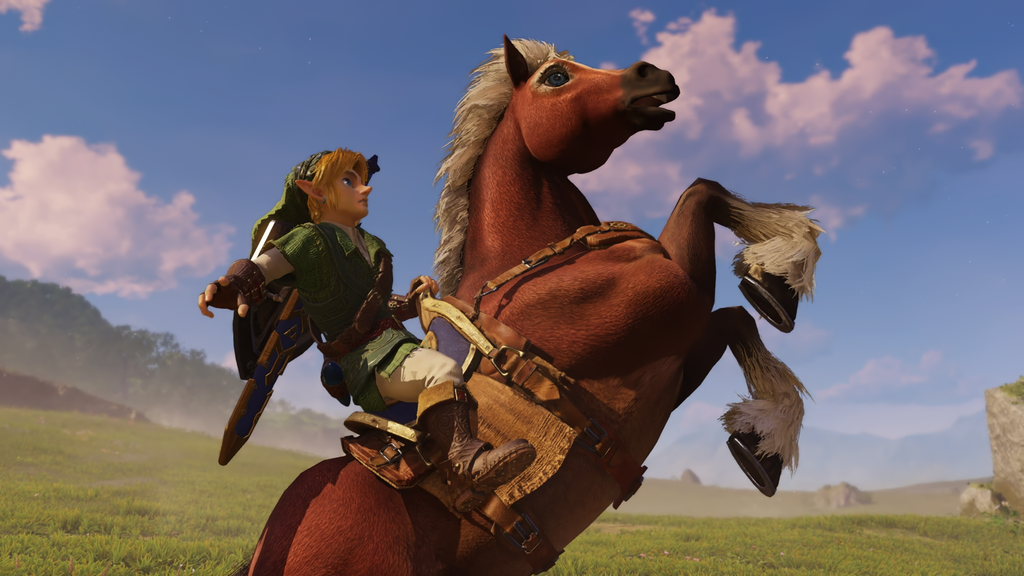
The Legend of Zelda: Ocarina of Time is a game that needs no introduction. In many ways, it helped establish the foundations of modern 3D action-adventure games, influencing countless titles that followed it. It also received universal critical acclaim when it released in 1998, holding a nearly flawless score of 99 on Metacritic.
Still, when Nintendo announced that a remake of OOT would be coming this November, fans were understandably excited. The real question was whether a game that was widely considered a masterpiece could be improved upon. Today, now that the game has officially been released, I’ll be discussing the critical reception of the remake and how it compares to its N64 predecessor.
OOT Remake’s Metacritic score currently sits at an extremely strong 96, just three points shy of the original’s. While the remake has received overwhelmingly positive reviews, not every decision has been universally praised. Two areas that have seen some complaints are its updated art style and streamlined gameplay elements.
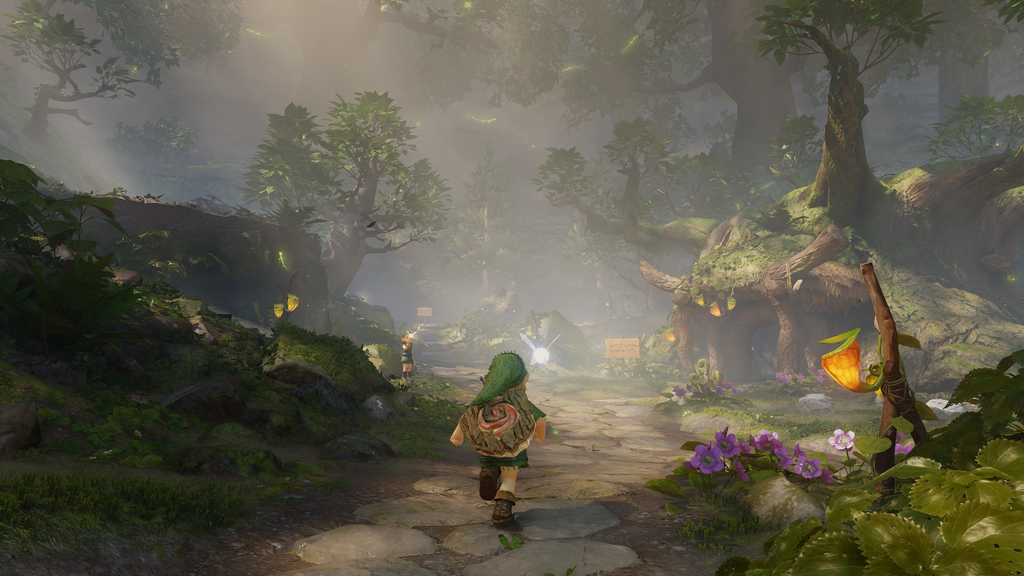
In terms of the remake’s art direction, I can understand the apprehension. While the original OOT had a simple yet stylized presentation, the remake opts for a more “realistic” art style. This decision has been the cause of many memes online, with many comparing it to the infamous “Nintendo hire that man” image. Personally, I feel like the original’s style fit the game more, since it allowed you to fill in the details rather than seeing them “realized”. The remake fills those details in with more realistic visuals, which might not appeal to everyone.
Still, the visuals might grow on me over time. As reviewer Gamekult put it, “Initially put off by its art direction, this remake of Ocarina of Time eventually wins us over thanks to the contrast between its finely rendered realistic world and the modernized character designs from the original game”. It seems that some reviewers grew to appreciate the art style after spending more time with the game.
On the other hand, Nintendo’s efforts to modernize OOT may not sit well with veteran players. A few updated mechanics include 360-degree camera control, enhanced movement (including a dedicated jump button!), simplified puzzles, and more fluid combat. Since the original game’s mechanics were built around the hardware and design limitations of the N64, some longtime fans feel that these updates alter the experience that made the original so memorable. As reported by Nintendo Life, the remake is also noticeably missing the Master Quest/hard mode option.
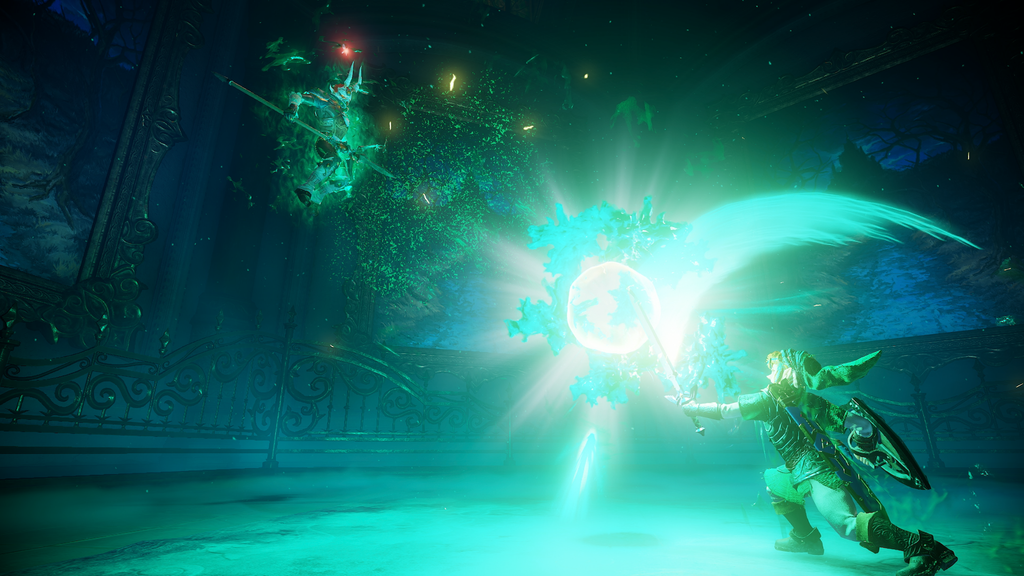
However, these changes may not be an issue for newcomers. Reviewer RPG Site’s review summarizes the feeling well: “The Legend of Zelda: Ocarina of Time Remake feels designed for new players first and foremost, letting new generations see what made us fall in love with it back in the day”. Some gamers may see the gameplay updates as an improvement rather than a detriment. It truly depends on your connection to the original game.
In conclusion, based on OOT Remake’s critical reception, I can very confidently say that Nintendo successfully introduced one of its most iconic games to a new generation of players. While some may have certain issues with the approach Nintendo took to modernizing the original, both veterans and newcomers should be able to enjoy the experience for what it is. While the original game might still hold the higher Metacritic score, a 96 is still a respectable achievement in its own right.
Will you be picking up OOT Remake this month to try it out for yourself? Let me know in the comments!



Post Comment